Understanding Stress and Anxiety
What Are Stress and Anxiety?
Stress and anxiety are natural reactions to the demands and pressures of daily life. Stress is often characterized by feelings of tension, worry, and irritability and is the body’s physical and emotional response to challenges. Anxiety, on the other hand, refers to persistent and excessive worries that extend beyond the immediate situation, often manifesting as a feeling of apprehension or fear about future events. Stress and anxiety can be beneficial in small amounts, motivating individuals to meet deadlines and prepare for important events. However, when either becomes overwhelming or chronic, it can lead to significant health issues, both mentally and physically.
The Effects of Stress and Anxiety on Health
The relationship between stress and anxiety and overall health is complex and multifaceted. Prolonged stress can lead to an array of physical health problems such as cardiovascular diseases, weakened immune response, digestive issues, and chronic pain. On the mental health front, chronic anxiety can contribute to disorders such as depression, panic disorder, and obsessive-compulsive disorder. Furthermore, stress can impact daily functions, leading to poor concentration, decreased productivity, and strained relationships. Recognizing and addressing these health implications is crucial for improving quality of life.
Common Triggers for Stress and Anxiety
Understanding the stimuli behind stress and anxiety can lead to better management strategies. Common triggers include:
- Work Insecurity: Job-related fears, demanding deadlines, and workplace conflicts.
- Financial Worries: Economic uncertainty, debt, and inability to meet financial responsibilities.
- Relationship Challenges: Conflicts with family, friends, or partners can lead to significant emotional distress.
- Life Changes: Events such as moving to a new home, changing jobs, or experiencing loss can act as significant stressors.
- Health Concerns: Personal illness or health issues in loved ones can generate anxiety.
Mindfulness Techniques for Managing Stress and Anxiety
Introduction to Mindfulness
Mindfulness is a mental practice that encourages individuals to focus on the present moment, which helps to foster a sense of inner peace and clarity. It can significantly reduce levels of stress and anxiety, allowing individuals to observe their thoughts and feelings without judgment. Research has shown that practicing mindfulness can lead to enhanced emotional regulation, improved attention, and decreased symptoms of anxiety and depression, thus providing individuals with essential tools to cope with daily life challenges.
Practicing Meditation and Breathing Exercises
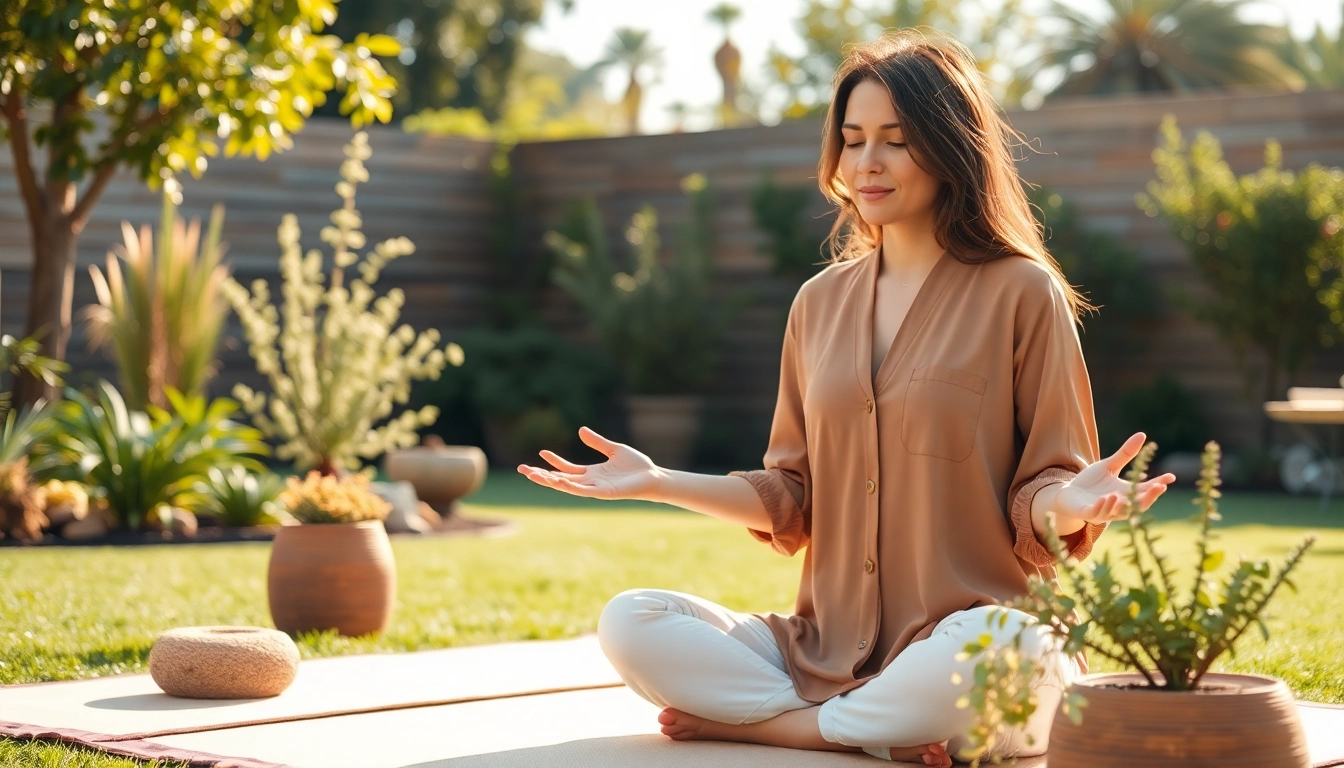
Meditation is a core component of mindfulness practices. Regular meditation sessions can help calm the mind and reduce symptoms of stress and anxiety. Breathing exercises, such as deep diaphragmatic breathing, help activate the relaxation response, thereby lowering heart rate and promoting a sense of calm. To practice, find a comfortable position, close your eyes, and breathe in deeply through your nose, feeling your abdomen expand. Hold the breath for a count of four and exhale slowly through your mouth. Repeat this several times to anchor your thoughts.
Using Visualization to Combat Stress and Anxiety
Visualization is another effective mindfulness technique. By picturing a peaceful scene or recalling a time when you felt calm and secure, you can create a mental escape from stressors. To practice visualization, find a quiet space, close your eyes, and imagine a serene landscape—a beach, forest, or any space where you feel at ease. This process allows you to temporarily detach from anxious thoughts, creating mental space for relaxation.
Physical Activity's Role in Reducing Stress and Anxiety
Benefits of Regular Exercise
Physical activity is a powerful antidote to stress and anxiety. Exercise releases endorphins, chemicals in the brain that act as natural painkillers, promoting a sense of well-being. Studies indicate that those who engage in regular physical activity experience reduced levels of anxiety, improved mood, and better stress management skills. Exercise not only improves physical health but also enhances mental clarity and emotional resilience, equipping individuals to handle life's challenges more effectively.
Types of Exercise That Help
Various forms of exercise can be beneficial in combating stress and anxiety. These include:
- Cardiovascular Exercise: Activities like running, dancing, and swimming boost heart rate and increase endorphin production.
- Yoga and Pilates: These practices combine physical movement, breath control, and mindfulness, promoting relaxation and stress relief.
- Strength Training: Lifting weights or bodyweight exercises can improve mood and self-esteem, providing a sense of accomplishment.
- Walking in Nature: Engaging in outdoor activities not only benefits physical health but also enhances mental well-being through exposure to nature.
Creating a Sustainable Workout Routine
Developing a sustainable workout routine is key to reaping the mental health benefits of exercise. Start by setting realistic goals and incorporating physical activity into your daily life gradually. Aim for a mix of cardiovascular training, strength exercises, and flexibility workouts. Consistency is more important than duration; finding enjoyable activities will help maintain motivation. Remember, even short bursts of activity can significantly improve mood and reduce anxiety.
Lifestyle Changes to Lower Stress and Anxiety
Nutrition and Its Impact on Mental Health
A well-balanced diet plays a crucial role in mental health management. Nutrient-rich foods can positively impact brain function and mood regulation. Omega-3 fatty acids, found in fish, walnuts, and flaxseeds, are known to reduce anxiety levels. Additionally, whole grains, fruits, and vegetables provide essential vitamins and minerals that support brain health. Avoiding excessive caffeine and processed sugars can prevent exacerbation of stress and anxiety symptoms, promoting overall well-being.
The Importance of Sleep and Rest
Sleep is vital for emotional and physical health. Inadequate rest can amplify feelings of anxiety and stress. Prioritizing good sleep hygiene practices such as maintaining a consistent sleep schedule, creating a restful environment, and limiting screen time before bed can lead to better sleep quality. Moreover, implementing relaxation techniques, such as gentle yoga or reading, before bedtime can prepare the mind for restful sleep, ultimately reducing feelings of stress and anxiety over time.
Building Supportive Relationships
Strong social connections can act as a protective factor against stress and anxiety. Engaging in supportive relationships allows individuals to share feelings, receive emotional support, and foster a sense of belonging. It is essential to invest in these connections, whether through reaching out to friends and family, joining supportive communities, or engaging in social activities. Setting aside time for loved ones can serve as a buffer against stress, creating an environment where anxiety can be more effectively managed.
When to Seek Professional Help
Signs You May Need Therapy
Recognizing when to seek professional help is crucial for effective management of stress and anxiety. Signs include persistent feelings of anxiety that interfere with daily life, difficulty concentrating, changes in appetite or sleep patterns, withdrawal from social activities, and feelings of hopelessness or helplessness. If these symptoms persist and impact your quality of life, it may signal the need for professional intervention.
Types of Therapy for Stress and Anxiety
Several therapeutic approaches can effectively address stress and anxiety. Cognitive Behavioral Therapy (CBT) is widely used and focuses on changing negative thought patterns. Mindfulness-Based Stress Reduction (MBSR) teaches mindfulness techniques to help manage stress. Additionally, talk therapy, acceptance and commitment therapy (ACT), and exposure therapy can also provide individuals with coping strategies tailored to their specific needs. Consulting a mental health professional can help you identify the best approach for your situation.
Finding the Right Professional for Support
Finding a suitable mental health professional is essential for effective treatment. Begin by seeking referrals from trusted sources or utilizing online directories to identify licensed professionals who specialize in stress and anxiety. Consider the therapist's educational background, experience, and treatment methods, and ensure they align with your needs and preferences. Remember, it may take time to find someone you connect with, so be patient and proactive in pursuing mental well-being.
Frequently Asked Questions
What are some quick techniques to manage stress and anxiety?
Quick techniques include deep breathing, progressive muscle relaxation, and mindfulness exercises that can be practiced anywhere. These methods promote immediate relaxation and help ground you in the present moment.
How does physical activity help relieve stress and anxiety?
Physical activity releases endorphins, improves mood, and reduces tension, helping to alleviate stress and anxiety symptoms. Engaging in regular exercise fosters resilience against stressors.
Can diet influence stress and anxiety levels?
A balanced diet rich in vitamins, minerals, and omega-3 can effectively support mental health and reduce stress and anxiety symptoms. Foods that nourish the brain promote optimal function and emotional balance.
When should I consider seeking professional help for stress and anxiety?
If stress and anxiety significantly impact your daily life, causing persistent sadness or fear, seeking professional help is advisable. Early intervention can enhance recovery and improve overall well-being.
What is mindfulness, and how does it help?
Mindfulness is the practice of focusing on the present moment, which can help reduce stress and anxiety by promoting relaxation and clarity. It enables individuals to observe thoughts and feelings without judgment.